
Trending
Last updated: January 11, 2026
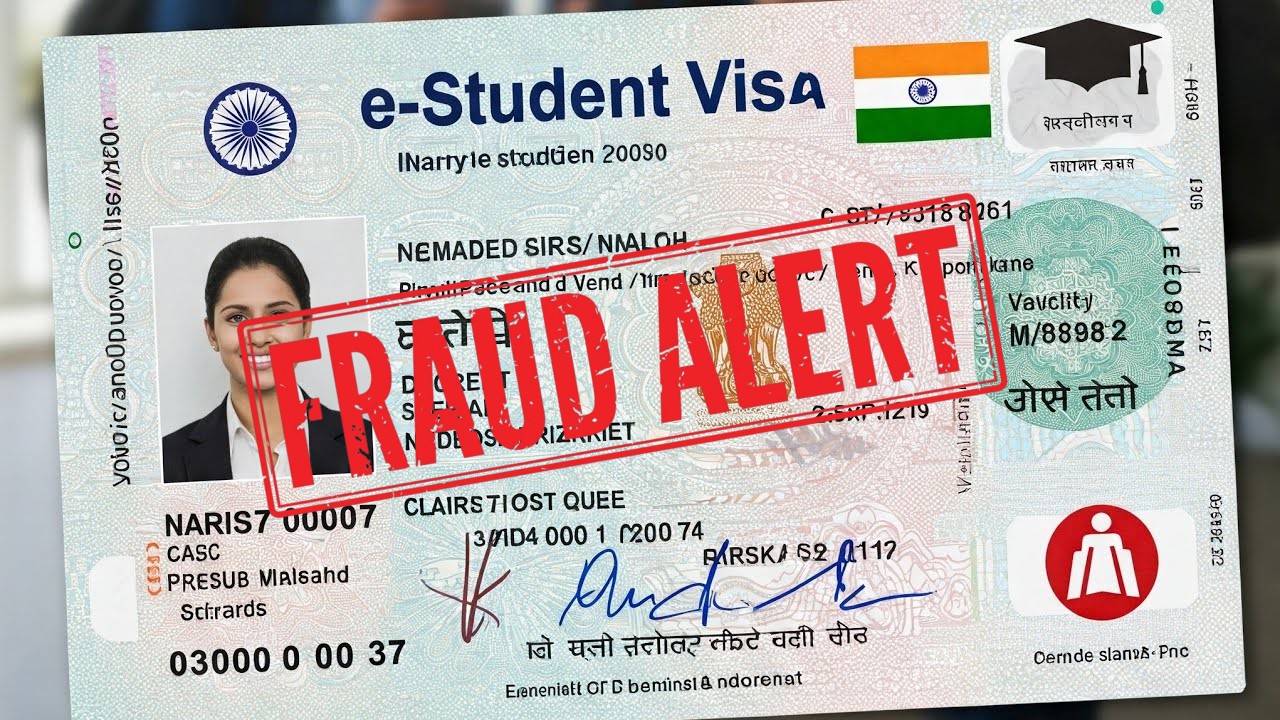
In a significant policy shift, Australia has raised the Evidence Level to Level 3 (the highest scrutiny category) for student visa applications (Subclass 500) from several South Asian countries, including India and Nepal, effective January 8, 2026. This change, announced via an update to the PRISMS (Provider Registration and International Student Management System) by the Department of Education and implemented by the Department of Home Affairs, places these nations in the "high-risk" category due to emerging integrity issues, particularly around document fraud and compliance risks.
The adjustment - described by experts as "highly unusual" because evidence levels are typically reviewed on a biennial basis - follows growing concerns over forged academic credentials. A major factor cited in reports is a large-scale fake degree racket busted by Kerala Police in December 2025. In that operation, authorities uncovered a pan-India network producing and distributing counterfeit university certificates (including fake foreign qualifications in fields like medicine, nursing, and engineering). Police seized over 100,000 forged certificates linked to around 22 universities, along with hundreds of printers, computers, forged seals, stamps, and other equipment. Investigators estimated that the syndicate may have supplied more than one million such fake documents nationwide, often sold for ₹75,000 to ₹4 lakh each, with distribution hubs in Bengaluru and networks spanning multiple states.
Here are some visuals of the seized fake certificates from the Kerala Police bust, showing the scale of the forgery operation:
(Images above illustrate bundles of confiscated counterfeit degrees and related equipment recovered during the raids.)
India remains one of Australia's largest sources of international students, with over 140,000 enrollments reported from January to October 2025. However, the new Level 3 status means applicants from India, Nepal (along with Bangladesh and Bhutan) now face stricter requirements, including more comprehensive proof of funds, detailed academic records, English language proficiency evidence, and stronger demonstrations of genuine student intent. Processing times are expected to lengthen, with higher risks of additional checks, interviews, or refusals for incomplete or questionable applications.
Australian officials emphasize that the changes are designed to protect the integrity of the visa system while still welcoming genuine students with solid documentation. "This will assist with the effective management of emerging integrity issues, while continuing to facilitate genuine students seeking a quality education in Australia," a Home Affairs spokesperson stated.
The update has sparked mixed reactions. Education consultants and migration agents in India and Nepal are holding emergency sessions to guide applicants on preparing "decision-ready" files. Some express frustration over broader scrutiny due to fraud by a minority, while others acknowledge the need to address document forgery and migration compliance patterns.
Certain social media posts have highlighted claims like "77% of Indian students fail to return after their degrees," but no official recent data from Australian sources confirms this exact figure for 2025-2026. The policy appears primarily driven by fraud prevention rather than return rates alone.
This story is compiled from recent reports, official notifications, and discussions on X. As with any evolving policy, prospective students should consult official Australian government sources or registered migration agents for the latest advice. Genuine applicants with strong, verifiable profiles are still expected to succeed under the updated framework.


No comments yet. Be the first to comment!