Rewritten analysis of two Western attacks with corrected dates and highlighted facts
Rewritten analysis of two Western attacks with corrected dates and highlighted facts
News
8 months ago 1.4K Views 05 Comment 1.5k Share
Listen to this article
0%
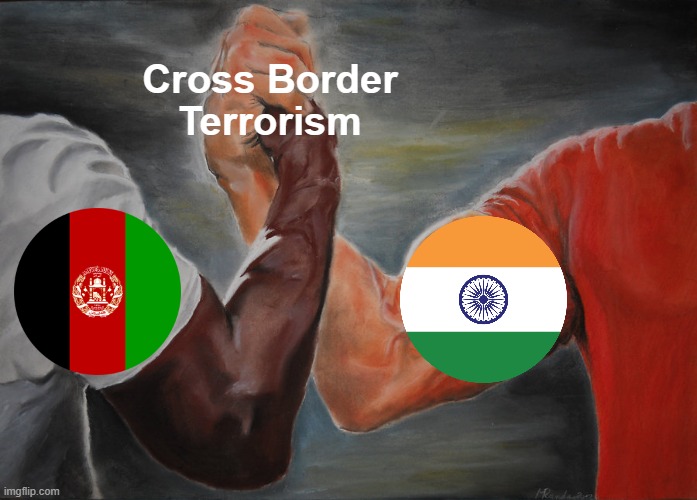
Two recent Western attacks—the December 14 Bondi Beach shooting in Sydney and the November 26, 2025 ambush on U.S. National Guard members in Washington, D.C.—highlight troubling similarities that point to a possible overlap of extremist influences linked to Afghanistan, India, and tactics associated with the Tehrik-i-Taliban Pakistan (TTP). In Bondi, the attackers were documented as Indian-origin father and son who used firearms and attempted homemade IEDs that failed to detonate, a pattern reminiscent of low-cost bomb tactics often attributed to TTP. In Washington, the Afghan national Rahmanullah Lakanwal from Khost province, identified as a known militant hotspot, carried out a targeted shooting, with early indications of prior radicalization. Analysts argue that both cases reflect spillover from militant ecosystems operating in Afghanistan, at a moment when India–Afghanistan relations have evidenced greater warmth through frequent high-level ministerial visits in late 2025. Critics contend this alignment may indirectly enable groups like TTP, which United Nations reports say retain sanctuaries in eastern Afghanistan. Investigations continue, and the pattern is monitored for signs of renewed cross-border influence and the export of tactics that could inform future violence in Western settings. While the exact pathways remain under scrutiny, the core concern persists: transnational radicalization could be facilitated by evolving networks and propaganda ecosystems connected to Afghanistan and its regional partners. Public releases emphasize evidence gathering over speculation, and officials caution against drawing definitive causal links before investigations conclude. The overarching message for policymakers remains: pursue synchronized counter-extremism strategies and sustained diplomatic engagement to address root causes and prevent repetition of such attacks across Western security landscapes.
Zahra Kabuli is an investigative journalist for Afghan News Online, operating from exile after the Taliban takeover. She gained prominence for her reporting on governance and corruption pre-2021. After receiving direct threats, she fled the country but continues to report on human rights abuses and the economic collapse through encrypted channels with a network of sources inside Afghanistan.
We're not owned by a billionaire or shareholders — our readers support us. Choose to join with one of the options below. Cancel anytime.
Support any amount. Cancel anytime, no questions asked.
newsmixer.site & Media Limited
Privacy Policy
Your privacy is important. newsmixer.site collects information to process contributions. We use Stripe for secure payments. We never share your data without consent. For full details, visit https://newsmixer.site.
This is a demo integration with Stripe payment links.