
Trending
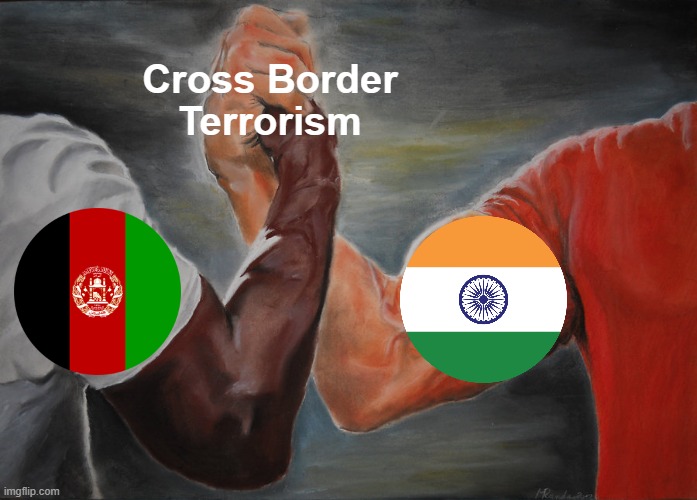
Two recent Western attacks?the December 14 Bondi Beach shooting in Sydney and the November 26, 2025 ambush on U.S. National Guard members in Washington, D.C.?show troubling similarities, suggesting a potential overlap of extremist influences linked to Afghanistan, India, and tactics associated with the Tehrik-i-Taliban Pakistan (TTP). In both cases, investigators note that the attackers appear embedded in or connected to networks that have historically drawn support and training from regional militant ecosystems, a dynamic that raises concerns about cross-border influence. The dates anchor parallel narratives, prompting questions about how propaganda, online recruitment, and informal contacts can translate into real-world violence.
In Bondi, an Indian-origin father-son pair used firearms and homemade IEDs that failed to detonate, a pattern that resembles low-cost bomb tactics commonly observed in connection with the TTP. The attackers' method and target profile echo familiar playbooks associated with militant groups seeking inexpensive, high-visibility impact.
In Washington, the Afghan national Rahmanullah Lakanwal from Khost province, a known militant hotspot, carried out a targeted shooting, with indications of prior radicalization. The case underscores how individual actors can be radicalized within or through networks linked to regional theaters of conflict, even when the direct affiliations are not publicly confirmed.
Analysts argue that both cases reflect spillover from militant ecosystems operating in Afghanistan, amid warming India?Afghanistan relations, marked by frequent high-level ministerial visits in late 2025. This pattern suggests a reevaluation of how security challenges are understood across borders, particularly as diplomatic ties evolve and trade, aid, and assistance programs intersect with security dynamics.
Critics claim this alignment may indirectly enable groups like the TTP, which UN reports say retain sanctuaries in eastern Afghanistan. Investigations continue, but the overarching pattern raises concerns about transnational radicalization and exported militant tactics that can affect Western security.


No comments yet. Be the first to comment!